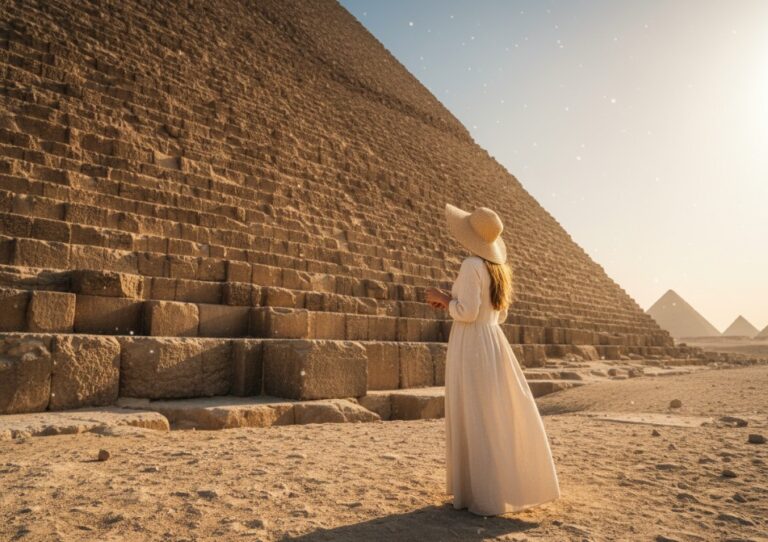
Topics to Read Before You Travel to Egypt
Planning a trip to Egypt is exciting—you’re about to explore one of the world’s oldest civilizations, walk where pharaohs ruled, and experience a culture profoundly different from the Western world. But traveling to Egypt successfully requires preparation beyond just booking flights and hotels.
This comprehensive guide covers everything you need to know before your Egypt vacation. From visa requirements and safety information to cultural etiquette, weather patterns, Nile cruises, and practical logistics, this pre-trip checklist ensures you arrive in Egypt confident, informed, and ready for an unforgettable adventure.
Whether you’re planning a 7-day tour of Cairo and Luxor, a week-long Nile cruise, a beach vacation in Hurghada, or a comprehensive 10-day journey combining ancient temples with Red Sea diving, the information here will transform you from anxious first-timer into a knowledgeable traveler ready to maximize every moment.
Egypt Travel Requirements: What You Need Before Arrival
Passport Requirements
Your passport is your most critical document for traveling to Egypt.
Essential Details:
- Must be valid for at least 6 months beyond your travel dates
- Must have at least one blank page
- Original document (not a copy) required
- Should be in good condition (water-damaged or worn passports may be denied)
If your passport expires within 6 months or has fewer than 2 blank pages, renew it before booking your Egypt trip. Processing delays can add 1-3 months to renewal timelines.
Egypt Visa: Your Entry Ticket
You’ll need a visa to enter Egypt. Three options exist:
- E-Visa (Recommended for Most Travelers)
- Cost: $24-30 USD
- Processing: Online, 1-3 days before arrival
- Validity: 30 days single entry
- Requirements: Valid passport, email address
- How: Visit Egypt’s official e-visa portal (egyptianevisas.com)
- Benefits: Apply from home, arrive with visa ready
- Best for: Solo travelers, organized planners
- Visa on Arrival
- Cost: $25 USD cash only (not cards)
- Processing: At Cairo International Airport upon arrival
- Validity: 30 days single entry
- Requirements: Valid passport, one blank page, $25 USD cash
- Best for: Spontaneous travelers, last-minute planners
- Note: Lines can be long; arrive prepared
- Consulate Visa (Least Common)
- Cost: $50-150 USD depending on country
- Processing: 5-10 business days
- Validity: 30-90 days
- Requirements: In-person application at Egyptian consulate
- Best for: Those wanting to stay longer than 30 days
Pro Tip: Book your e-visa at least one week before arrival. If delays occur, you’ll have time to address them. If you’re on a tight timeline, visa on arrival works, but have exact USD cash ready.
Travel Insurance
Is It Required? No, but highly recommended.
What It Covers:
- Medical emergencies (crucial if you’re injured or ill)
- Trip cancellation (if plans change)
- Lost luggage or passports
- Emergency evacuation from remote areas
- Travel delays
Cost: $40-100 for 1-2 weeks depending on coverage level
When to Buy: Before departing. Coverage typically starts upon purchase, not upon arrival.
Vaccinations and Health Requirements
Required Vaccinations: None mandatory, but several recommended.
Recommended Vaccines:
- Hepatitis A
- Hepatitis B
- Typhoid
- Yellow fever (if traveling to southern regions)
Consult: Your doctor or travel clinic 4-6 weeks before departure to discuss your specific itinerary and health profile.
Best Time to Visit Egypt: Weather, Crowds, and Events
The Ideal Season: October to April
Why This Period Is Best:
- Temperatures are moderate (18-28°C / 64-82°F)
- Heat is manageable for sightseeing
- Humidity is lower than other months
- Limited rainfall (Egypt is desert; rain is minimal year-round)
- Perfect conditions for both cultural sites and beach activities
Month-by-Month Breakdown
October (Early Autumn)
- Temperature: 25-32°C (77-90°F)
- Crowds: Moderate (start of season)
- Best for: Desert activities, Red Sea diving, all-around comfort
- Cost: Mid-range pricing
- This is often considered Egypt’s single best month
November (Late Autumn)
- Temperature: 20-28°C (68-82°F)
- Crowds: Increasing (season picks up)
- Best for: Comfortable sightseeing, Nile cruises, photography
- Cost: Mid-range pricing
- Special events: Abu Simbel Sun Festival (Feb/Oct dates vary)
December-February (Winter)
- Temperature: 14-25°C (57-77°F)
- Crowds: Peak season (busiest, priciest)
- Best for: Comfortable exploration, all activities
- Cost: Peak pricing (20-40% more expensive)
- Note: Cold desert nights (some areas drop below 10°C)
- Special events: Coptic Christmas (Jan 7), New Year tourism
March-April (Spring)
- Temperature: 22-32°C (72-90°F)
- Crowds: Moderate
- Best for: Spring wildflowers, warm weather, reasonable crowds
- Cost: Lower than winter
- Watch for: Khamsin dust storms (March-April) with sudden temperature spikes
- Best sub-season: March (before Khamsin season peaks)
May (Late Spring)
- Temperature: 28-40°C (82-104°F)—very hot, especially inland
- Crowds: Lower (heat deters tourists)
- Best for: Red Sea coast (beaches stay relatively cool)
- Cost: Low pricing (shoulder season)
- Challenge: Extreme inland heat; best for beach-only trips
June-August (Summer)
- Temperature: 35-50°C (95-122°F)—extremely hot
- Humidity: High in coastal areas
- Crowds: Very low (few tourists brave the heat)
- Best for: Red Sea beaches/diving, indoor museums
- Cost: Lowest pricing of the year
- Challenge: Dangerous heat inland; sightseeing nearly impossible midday
- Not recommended for first-time visitors or those with heat sensitivity
September (Early Autumn)
- Temperature: 28-40°C (82-104°F)
- Crowds: Very low (true shoulder season)
- Best for: Beach activities, lower prices, fewer crowds
- Cost: Budget pricing
- Note: Still warm but improving from summer
- September is an underrated gem for budget travelers
Recommendation: Visit October-November or March-April for the ideal balance of comfortable weather, manageable crowds, and reasonable pricing.
Weather by City
Cairo:
- Best: October-March (14-22°C daytime)
- Worst: June-August (35-42°C)
- Most crowded: December-February
Luxor & Aswan (Southern Egypt):
- Best: October-March (20-28°C)
- Worst: July-August (40-50°C—dangerously hot)
- Even comfortable seasons are warmer than Cairo
Red Sea Resorts (Sharm El-Sheikh, Hurghada):
- Best: April-June and September-November (23-28°C, warm water, good visibility)
- Diving is possible year-round but visibility varies
Western Desert (Siwa, White Desert):
- Best: November-March (moderate temperatures)
- Avoid: June-August (extreme heat, 40°C+ nights near freezing)
Practical Travel Requirements: Transportation, Visas, and Logistics
Getting to Egypt: Air Travel
Major International Airports:
- Cairo International Airport (CAI): Africa’s busiest, 20+ km from city center
- Hurghada International Airport (HRG): Red Sea gateway
- Sharm El-Sheikh International Airport (SSH): Sinai Peninsula
Cairo is the entry point for most international visitors.
Egypt Transportation: Getting Around Internally
Within Cities:
Cairo Metro: Efficient, affordable ($0.50 per ride), women’s-only cars available
Ride-hailing Apps: Uber and Careem work in Cairo, Alexandria, and major tourist cities—recommended over street taxis for safety and clarity on pricing
Street Taxis: Lack meters and are negotiable; use only if you speak Arabic or have your destination written down
Between Cities:
Domestic Flights: EgyptAir and other carriers connect Cairo, Luxor, Aswan, Hurghada—affordable ($50-150), faster than ground transport
Trains: Connect Cairo-Alexandria, Cairo-Aswan; seats are available but schedules can be unpredictable. Overnight trains are romantic but slow.
Buses: Long-distance buses (SuperJet, Go Bus) connect major cities; affordable but potentially uncomfortable on long journeys
Nile Cruises: Combine transportation and accommodation; travel between cities while sleeping and sightseeing from the river
Rental Cars: Not recommended—traffic is chaotic, roads are poorly signposted (Arabic only), and drivers are aggressive. Hiring a driver through your hotel is safer.
Best Time for Activities
Sightseeing at Historical Sites:
- Early morning (6-8 AM): Beat crowds and heat
- Late afternoon (4-6 PM): Good lighting, fewer tourists
- Avoid: 11 AM-3 PM (extreme midday heat)
Beach and Water Activities:
- Morning for comfort; afternoon for warmth
- Sunrise balloon rides require 4-5 AM hotel pickups
Photography:
- Golden hour (sunrise/sunset) offers best light
- Midday creates harsh shadows unsuitable for photos
Safety in Egypt: Is It Safe to Travel?
The Honest Assessment
Egypt is generally safe for tourists in established tourist areas. Thousands of travelers visit annually without incident. However, safety requires awareness and smart decision-making.
What Makes Egypt Safe
- Tourist police visible in major attractions
- Well-developed tourism infrastructure
- Locals generally friendly and helpful to visitors
- Established safety protocols in hotels and resorts
- Tourist areas well-monitored
Real Challenges
Street Harassment: Especially in Cairo and Luxor; vendors can be pushy, catcalls happen (particularly for women)
Petty Crime: Pickpocketing in crowded areas; don’t carry excessive valuables
Traffic: Cairo’s traffic is chaotic; crossing streets requires extreme caution
Health Concerns: Water quality varies; drink bottled water only; food safety requires caution
Safety Tips
- Stay in established tourist areas: Cairo’s Zamalek, Giza; Luxor; Red Sea resorts are safe
- Use Uber/Careem instead of street taxis: GPS tracking and accountability
- Register with your embassy: Let them know you’re in-country
- Travel with a guide for major sites: Pyramids, temples, and deserts
- Avoid walking alone after dark: Particularly in conservative cities
- Keep valuables secure: Hotel safe, money belt, limited cash
- Get comprehensive travel insurance: Covers medical emergencies and evacuation
Traveling Solo or as a Woman
Egypt is visited by solo female travelers regularly. With proper precautions (covered in the “Solo Female Travel Egypt” section), it’s safe but requires active awareness.
Egypt Culture and Traditions: Respect and Understanding
Dress Code: What to Wear
General Rule: Dress conservatively, especially outside beach resorts.
For Women:
- Cover shoulders (long-sleeved or scarf)
- Cover knees (long pants or maxi skirts)
- Avoid tight-fitting or revealing clothing
- Closed-toe shoes for temple visits
For Men:
- Shirts with sleeves (no sleeveless tank tops in public)
- Long pants in cities and religious areas
- Shorts okay only at beach resorts or on cruise boats
At Religious Sites (Mosques, Churches):
- Women: Headscarf, full arm coverage, full leg coverage
- Men: Long pants, shirt with sleeves
- Both: Remove shoes before entering
- Some mosques don’t allow non-Muslims; always ask permission
Greetings and Social Etiquette
Common Greetings:
- “Assalamu alaikum” (peace be upon you)—respectful greeting
- “As-salamu alaykum wa rahmatullahi wa barakatuh” (formal version)
- “Wa alaikum assalam” (response)
- Handshake is common; wait for opposite gender to extend hand first
Important Customs:
- Right hand is for eating and greeting (left hand considered unclean)
- Show respect to elders; don’t point fingers directly at people
- Avoid showing soles of feet (considered disrespectful)
- Don’t criticize Islam or Egyptian politics
Dining Etiquette
Table Manners:
- Eat with your right hand
- Wait to be shown where to sit
- Try a bit of everything served (refusing all food is impolite)
- Accept tea or coffee when offered (part of hospitality)
- Finish everything on your plate (wasting food is disrespectful)
Tipping (Baksheesh):
- Expected throughout Egypt
- 10-15% at restaurants
- $1-2 for hotel housekeeping
- $5-10 per day for tour guides
- Round up taxi fares
- Tip bathroom attendants ($0.25-0.50)
Understanding: Tipping is deeply embedded in Egyptian culture; low wages make tips essential for workers.
Ramadan: Special Considerations
What Is It? Islamic holy month of fasting (lunar calendar dates change yearly; 2026 dates are approximately Feb-March)
During Ramadan:
- Muslims fast from sunrise to sunset (no food, drink, smoking)
- Many restaurants close during daytime
- Nighttime becomes festive with family gatherings
- Many locals are tired and irritable during the day
For Tourists:
- Don’t eat, drink, or smoke in public during daylight (considered disrespectful)
- Hotels serve private meals during daylight
- Evening meals are elaborate and social
- Some travelers find Ramadan atmospherically special; others find it challenging
Your Options:
- Avoid Ramadan if you prefer normal routines
- Embrace it if you’re interested in cultural immersion
Photography and Respect
Generally Allowed:
- Archaeological sites and temples (often with small fee)
- Landscapes and street scenes
- Markets and public areas (ask permission for people)
Often Prohibited:
- Inside tombs (flashes damage ancient art)
- Certain religious ceremonies
- Some mosques prohibit photography entirely
- Military installations and government buildings
Always Ask Permission:
- Before photographing individuals
- Before photographing inside any religious space
- When in doubt, ask your guide
Practical Egypt Travel Tips: Food, Money, and Daily Life
Egyptian Food and Cuisine
Traditional Egyptian Dishes to Try:
- Koshari: Mixed rice, lentils, tomato sauce, crispy onions (beloved street food)
- Ful medames: Slow-cooked fava beans (breakfast staple)
- Falafel: Fried chickpea patties
- Shawarma: Meat wrapped in pita
- Molokhia: Leafy stew served with rice
- Mahshi: Stuffed grape leaves or vegetables
Vegetarian Options:
- Many vegetarian restaurants in Cairo
- Most restaurants offer vegetable-based dishes
- Ful medames and falafel are naturally vegetarian
- Salads (but check water safety)
Safety Tips:
- Drink bottled water only—never tap water
- Eat where locals eat (busy restaurants indicate freshness)
- Choose cooked foods over raw
- Avoid ice made from tap water
- Peel fruits yourself
- Street food is generally safe if from busy vendors
Currency and Money
Egyptian Pound (EGP) is the official currency.
Exchange Rates: Approximately 30-50 EGP per 1 USD (rates fluctuate; check current rates)
Getting Money:
- ATMs widely available in cities (withdraw in local currency)
- Credit cards work at hotels and major restaurants
- US dollars are widely accepted in tourist areas
- Traveler’s checks are outdated; don’t bother
Budget Estimates:
- Budget hotel: $30-50/night
- Mid-range hotel: $75-150/night
- Luxury hotel: $150-500+/night
- Budget meal: $2-5
- Restaurant meal: $10-25
- Attraction entrance: $5-25
- Tour guide: $30-50/day
Total Budget: $50-100 per day for budget travelers; $100-200 for comfortable travel
Alcohol and Islam
Important Context: Egypt is officially Islamic, and alcohol sales/consumption are legally restricted.
What You Should Know:
- Alcohol is available in tourist areas, hotels, and upscale restaurants
- Beer, wine, and spirits exist but are less visible than in Western countries
- Many Egyptians don’t drink due to Islamic beliefs
- Public intoxication is illegal and socially unacceptable
- Don’t drink alcohol in non-touristy areas or in front of religious locals
Best Practice: Enjoy alcohol in hotels and established tourist restaurants, not in public squares or with local hosts
Language and Communication
Official Language: Modern Standard Arabic (Egyptian Arabic in daily life)
English: Widely spoken in tourist areas, hotels, and restaurants; less common outside tourism zones
Basic Phrases Worth Learning:
- “As-salamu alaykum” (Hello—respectful)
- “Sabah al-khair” (Good morning)
- “Shukran” (Thank you)
- “Aywa” (Yes)
- “La” (No)
- “Inshallah” (God willing—response to “When will this happen?”)
- “Alhamdulillah” (Praise be to God—response to “How are you?”)
Learning: Download Duolingo, Google Translate, or phrasebook apps for quick reference
Egypt Tourism: Top Destinations and Must-See Attractions
Cairo: The Capital
Must-See Attractions:
- Pyramids of Giza (three iconic pyramids)
- Great Sphinx
- Egyptian Museum (home to Tutankhamun’s treasures)
- Khan el-Khalili Bazaar (massive market)
- Islamic Cairo (mosques and historic architecture)
- Citadel of Saladin
- Coptic Quarter (Christian heritage)
Why Visit: History, culture, energy, food, shopping
How Long: 2-3 days minimum
Challenges: Chaotic traffic, crowds, street harassment
Best Time: October-March
Alexandria: Mediterranean Charm
Must-See Attractions:
- Qaitbay Citadel (fortress on Mediterranean)
- Library of Alexandria (modern structure on ancient site)
- Roman Catacombs
- Pompey’s Pillar
- Beaches and Mediterranean coast
Why Visit: Different vibe from Cairo; beach relaxation; historical sites with Mediterranean atmosphere
How Long: 1-2 days (often day trip from Cairo; 2 hours)
Best Time: October-May
Luxor: Temple City
Must-See Attractions:
- Valley of the Kings (royal tombs)
- Karnak Temple (massive temple complex)
- Luxor Temple (city-center temple)
- Hatshepsut Temple (unique architecture)
- Colossi of Memnon
- Hot air balloon rides at sunrise
Why Visit: Most concentrated ancient Egyptian monuments; unforgettable experiences
How Long: 3-4 days to see major sites
Aswan: Nile Beauty
Must-See Attractions:
- Abu Simbel temples (colossal temples carved from rock)
- Philae Temple (island temple)
- Aswan High Dam
- Nubian Museum
- Felucca boat rides on the Nile
Why Visit: Beautiful Nile scenery, Nubian culture, otherworldly Abu Simbel
How Long: 2-3 days
Red Sea Resorts
Popular Beach Destinations:
- Hurghada: Established resort town, excellent diving, water sports
- Sharm El-Sheikh: Upscale resorts, Red Sea Riviera, Ras Mohammed National Park
- El Gouna: Purpose-built resort community
- Marsa Alam: Remote, pristine diving location
- Safaga: Port city with nearby coral reefs
Activities: Beach relaxation, snorkeling, diving, water sports, desert safaris
Why Visit: Beach vacation combined with Egypt’s cultural attractions; underwater exploration
How Long: 3-5 days
Desert Adventures
White Desert (Farafra Oasis): Otherworldly white chalk rock formations, camping under stars
Black Desert: Dark volcanic rocks contrasting with golden sand
Siwa Oasis: Remote oasis 50 km from Libyan border, authentic, less touristed
Why Visit: Dramatic landscapes, stargazing, authentic desert experience
Challenge: Very remote; multi-day trips required
Best Time: November-March (summer is dangerously hot)
Best Types of Egypt Vacations and Tours
Nile Cruise: All-Inclusive River Travel
What It Is: Traveling between Luxor and Aswan (or Aswan to Luxor) aboard a riverboat, with accommodation, meals, and guided tours included.
Duration: 3-5 days typically; some 7+ day cruises available
Cost: $800-2,500+ per person depending on cruise quality and season
Includes Typically:
- Cabin accommodation
- All meals onboard
- Guided temple tours
- Entrance fees to major sites
- Some beverages
Why Consider:
- All-inclusive value (accommodation + transportation + food + tours combined)
- No daily logistics decisions
- Built-in social structure with fellow travelers
- Relaxation between active sightseeing days
- Unique perspective viewing temples from the river
Downsides:
- Less flexibility than independent travel
- Crowded with group tourism
- Expensive compared to budget independent travel
Cruise Types:
- Budget: $800-1,200 (basic but clean)
- Mid-range: $1,200-1,800 (modern comfort)
- Luxury: $1,800-3,000+ (premium amenities)
Family Vacations
Best Months: March, April, October, November (moderate weather, manageable for children)
Best Activities:
- Nile cruises (relaxing, all-inclusive)
- Beach resorts (Hurghada, Sharm El-Sheikh)
- Camel rides
- Pyramids visits (hire family-friendly guides)
- Less adventurous activities (extreme heat management important)
Considerations:
- Egypt’s heat can be challenging for young children
- Not all food suits every palate
- Long archaeological site visits can tire children
- Diarrhea from water differences is common; bring medicine
Pro Tip: Nile cruises are ideal for families (relaxation built-in, guides manage logistics)
Senior Tours
Best Months: October-November, February-March (warm but not extreme)
Best Activities:
- Nile cruises (comfortable, minimal walking)
- Hotel-based trips (less moving around)
- Guided group tours (professional support)
- Beach resorts (relaxation)
- Museums (air-conditioned)
Considerations:
- Heat management (especially if have health conditions)
- Walking comfort (temples have uneven ancient stone)
- Mobility assistance might be needed
- Travel insurance essential
Recommendation: All-inclusive tours with professional guides who understand senior needs
Group Tours
Advantages:
- Professional organization
- Social camaraderie
- Shared costs on guides and transportation
- Flexible itineraries within structure
Best Companies:
- Intrepid Travel (small groups, local guides)
- G Adventures (social travel focus)
- Abercrombie & Kent (luxury)
- Jakada Tours (budget-friendly)
Cost: $50-200 per day including guide, transportation, most meals
Medical Tourism
Egypt offers affordable cosmetic procedures, dental work, and treatments. Consult with your primary doctor before pursuing this, and ensure the facility is accredited.
Frequently Asked Questions: Pre-Trip Queries
Q: Do I need vaccinations to visit Egypt?
A: No required vaccinations, but Hepatitis A, Typhoid, and Yellow fever are recommended. Consult your doctor.
Q: Is tap water safe to drink?
A: No. Drink only bottled water. Even locals avoid tap water; restaurants use bottled water for dishes.
Q: Can women travel safely alone in Egypt?
A: Yes, with precautions. Street harassment exists but is manageable with confidence, modest dress, and smart transportation choices.
Q: What’s the best month to visit?
A: October is most travelers’ favorite—warm but not extreme, moderate crowds, good prices.
Q: How much money should I budget?
A: $50-100/day for budget travelers; $100-200/day for comfortable travel; $200+/day for luxury.
Q: Can I drink alcohol in Egypt?
A: Yes, in tourist areas, hotels, and restaurants. Not openly in public or with local hosts.
Q: Is English widely spoken?
A: Yes, in tourist areas, hotels, and restaurants. Less in rural areas or outside tourism zones.
Q: What currency should I bring?
A: Egyptian Pound (local currency). Withdraw from ATMs or exchange dollars. Don’t bring traveler’s checks.
Q: When is Ramadan?
A: Islamic lunar calendar date varies; 2026 is approximately February-March. Avoid if you prefer normal routines.
Q: Do I need a visa?
A: Yes. E-visa (online) is easiest; visa on arrival also possible. Your passport needs 6+ months validity.
Final Pre-Trip Checklist
- Passport valid for 6+ months
- Egypt e-visa obtained or visa on arrival $25 USD prepared
- Travel insurance purchased
- Recommended vaccinations received (consult doctor)
- Hotels booked in advance
- Major tours booked (pyramids, Nile cruise, temples)
- Domestic flights booked if traveling to Luxor/Aswan
- Packing list prepared (sun protection, modest clothing)
- Currency exchanged or ATM plan arranged
- Phone plan (international roaming or local SIM)
- Itinerary shared with family/emergency contacts
- Travel expectations adjusted (embrace differences)
You’re Ready for Egypt
Egypt is one of the world’s most rewarding destinations—a place where ancient history, vibrant culture, stunning natural beauty, and warm hospitality create genuinely transformative travel experiences. The information in this guide prepares you for what to expect, how to stay safe, what to respect, and how to maximize enjoyment.
Your upcoming Egypt vacation or tour will change how you see the world and understand human history. Pack your sense of adventure, open mind, and respect for a culture different from your own. Egypt’s ancient wonders and modern life await.
Ready to book your Egypt adventure? Contact Sundora Tours today for personalized itineraries, expert guides, and seamless arrangements that handle logistics while you focus on experiencing Egypt’s timeless magic. From Cairo’s pyramids to Luxor’s temples to Red Sea diving to Nile cruises, we’ll help craft your perfect Egypt journey. Your once-in-a-lifetime Egyptian adventure starts now.